

Step by Step School Implementation and Logic
“If you teach, teach PEACE!” — Ju’Dee Anglin Kelly, Educator
An Award-Winning Program
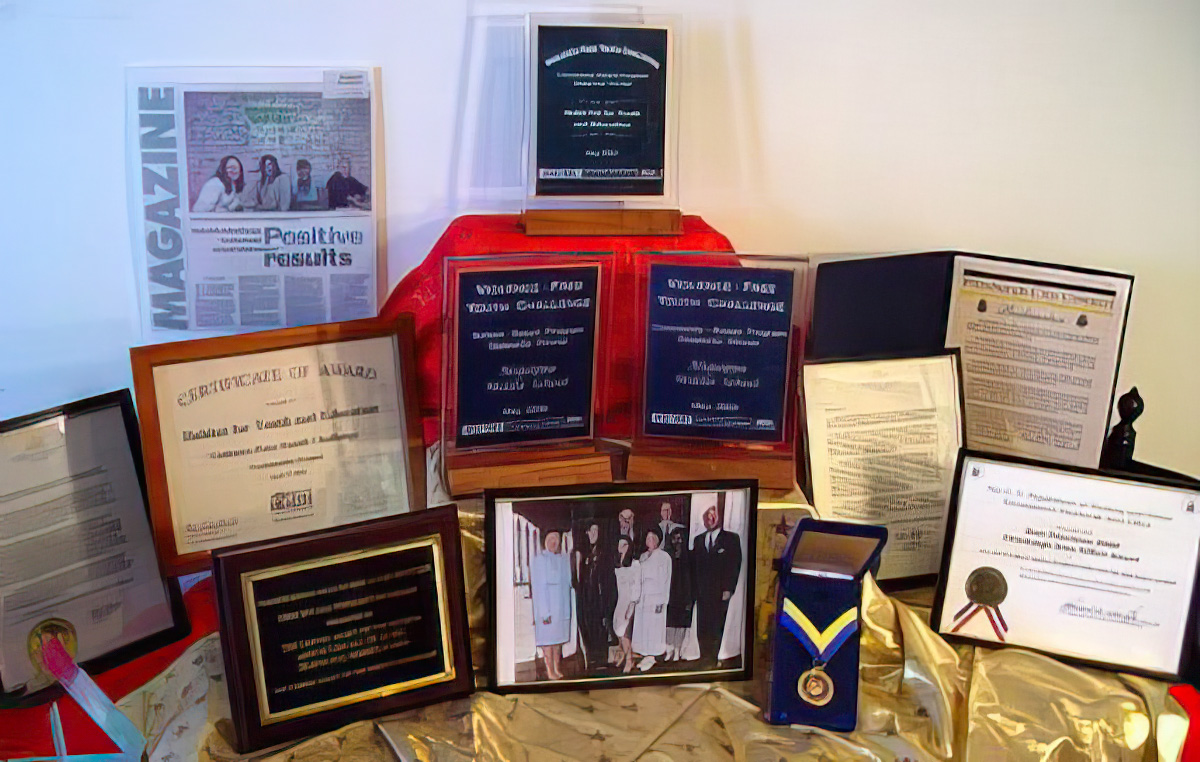
Recognition over the years for evolving and uplifting large populations in schools and communities, one inspired choice at a time.
Mission
To deploy a scalable monthly system of 12 unifying values messages, that surround and nourish a culture of self-worth, mutual respect, kindness and peace in schools, families, communities, and soon, all around the world.
What is “12 Habits for Peacemakers?”
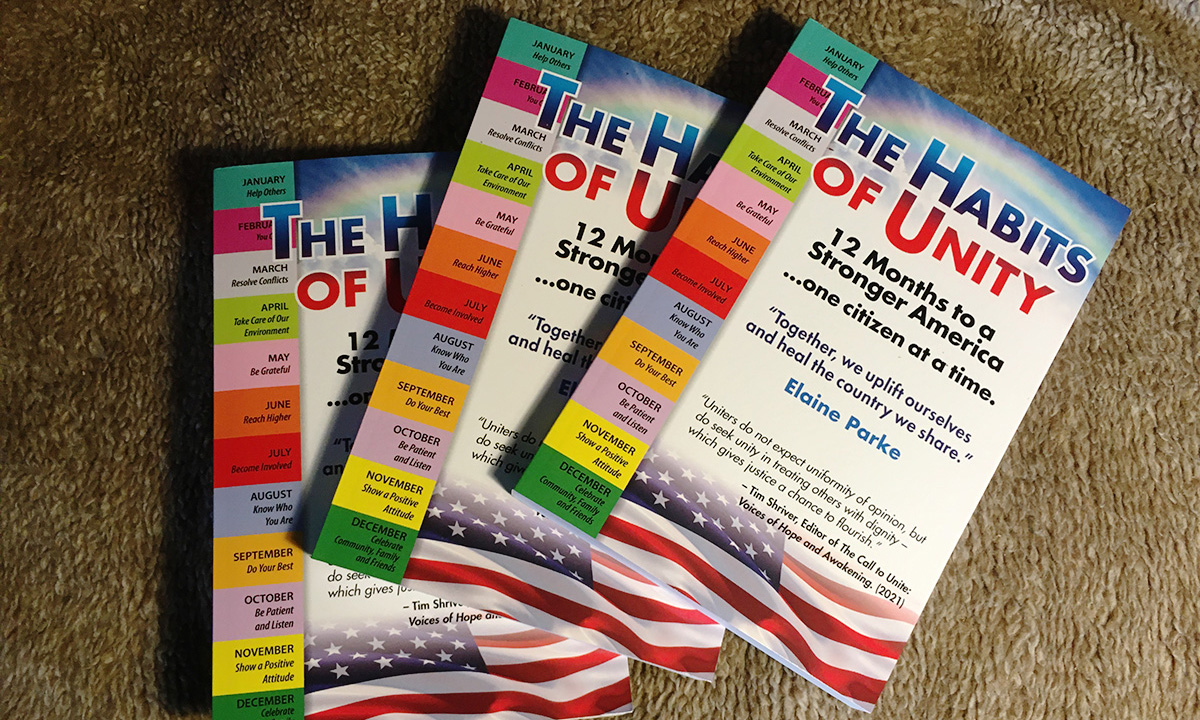
The 12 Habits for Peacemakers is an award-winning and proven social change model framed on 12 Peacemaking Principles. Its framework, rooted in the 12 Caring Habits and Habits of Unity movement founded by Elaine Stevens Parke, offers attractive and colorful monthly habit-forming materials.
Together, they motivate the month-by-month, daily-practice of 12 core principles that create a shared culture of empathy, personal responsibility, peace, and resolving conflicts in everyday life.
Under the umbrella of the NGO, All of Us, Inc., the 12 Habits Principles model has been uplifting the culture of schools and communities for more than thirty years. Nine independent studies of efficacy, were successfully completed during that period.
About the 12 Principles of Peace

Our Vision
To inspire the world to sing in imperfect, but earnestly sought, harmony so that all of us and our beloved earth will thrive and grow.
The 12 Habits – Unique Factor
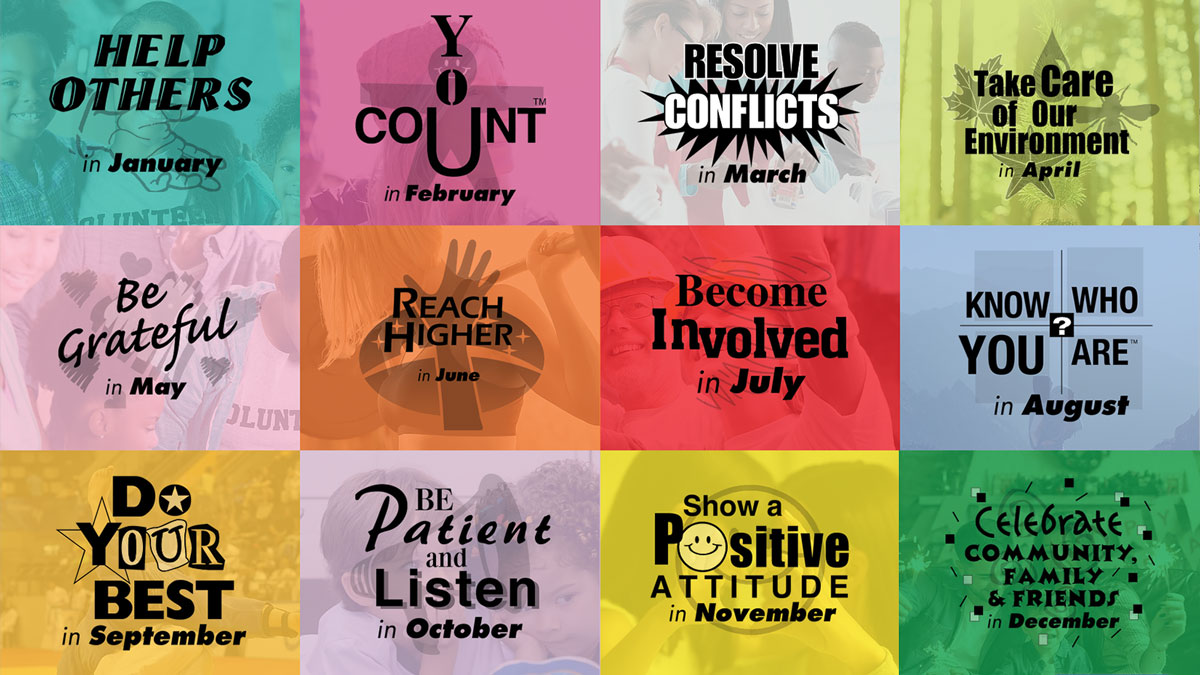
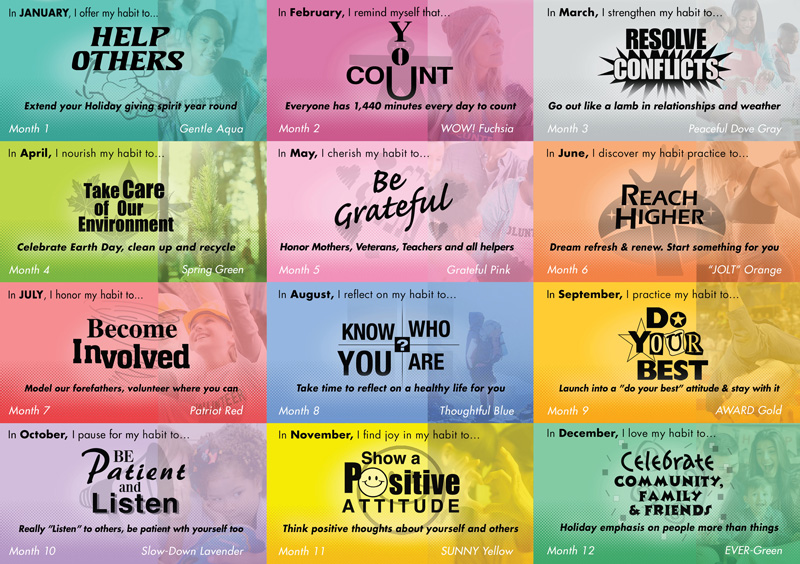
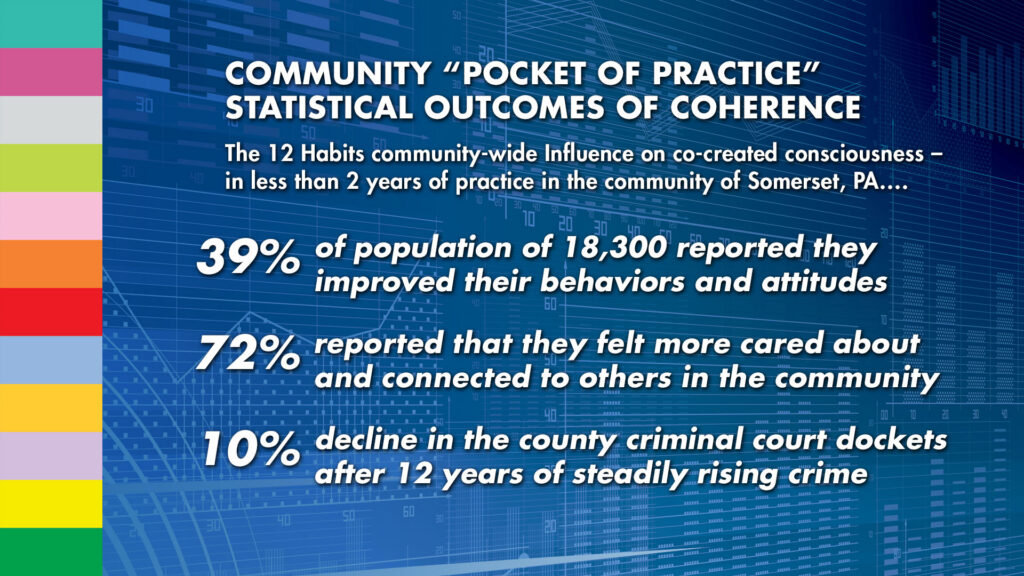
Together, they are 12 organic aspects of peacemaking – being patient, helping others, resolving conflicts, being grateful, etc. It’s that system, tied in time to the months, that produced the large population behavior changes towards connectedness that our 9 research studies confirm.
If you notice, collectively, these 12 principles include aspects of personal development, personal worth, improving interpersonal relationships and of course stewardship of the earth.
What we have is a way to connect everyone’s consciousness and actions using time and the months to bring us together. All you need to know, anywhere in the world, is what month it is and you already know what aspect of peace you are deepening in your life and advocating with others via social media, etc.
As intentional peacemakers – we are each one very important piece of peace. Together, we build a common ground by practicing 12 home spun community values that connect us to one another, one healing month at a time.
Like holidays, the consistent monthly peace habit protocol gives everyone a clear idea of “when we are doing what,” without being taught or told. Students learn the association of the months and their colors with the correct peace habits very quickly.
Methodology
The 12 Habits methodology inspires everyone, particularly students, with a unique system of 12 monthly “expectational-behavior” messages, using a carefully designed and coordinated mix of multi-media materials and electronics. In schools, this model dramatically reduces the burden on teaching staff.
The 12 Habits monthly messages, all together, represent an organic mix of themes about self-empowerment, improving relationships, personal development, and caring for our environment. This model supports social and emotional learning (SEL), by nourishing mental health, good character and functional relationships.
Happily, because one month is about the time it takes to imbed a habit, the “monthly branded” format sustains the advocacy of each specific message long enough to begin the process of personal and cultural transformation. Over time, the collective influence both deepens and accumulates.
Every member of the participating school and/or community is included and thereby reached and motivated equally. The result is an uplifted culture of peace, participation, cooperation, and unity. In schools. This supportive climate also fosters improved academics.
Research
Why 12 Habits Motivates a More Connected and Uplifted School Culture
Interestingly, a media-driven behavior change model such as the 12 Habits of Peacemakers, cannot be “proven” using the typical medical based methodology of control groups. This is because defining where media reaches – cannot be controlled. Families have children in multiple schools and when the families and communities become involved, there is no way to isolate a “control” group” from the active group.
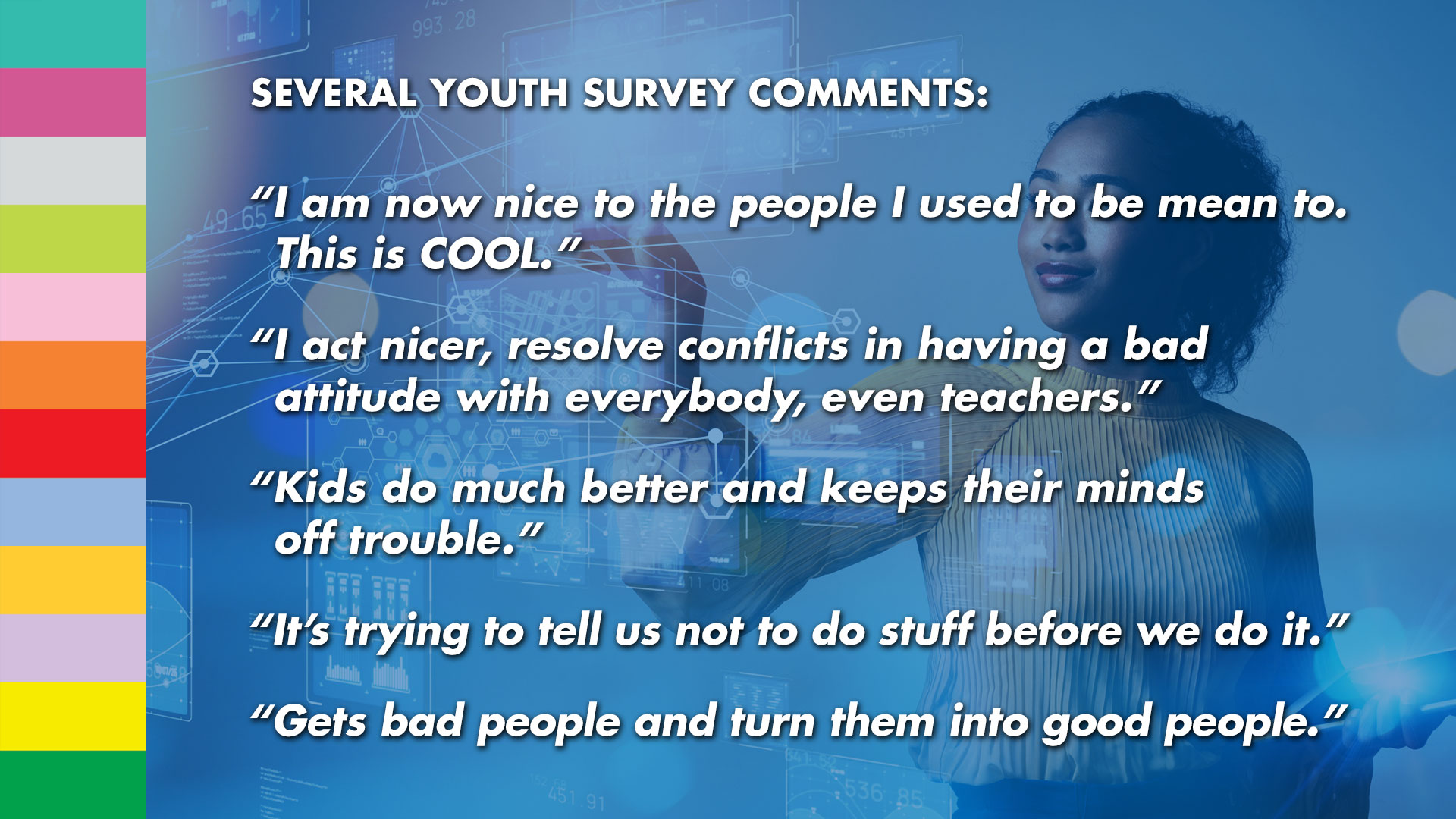
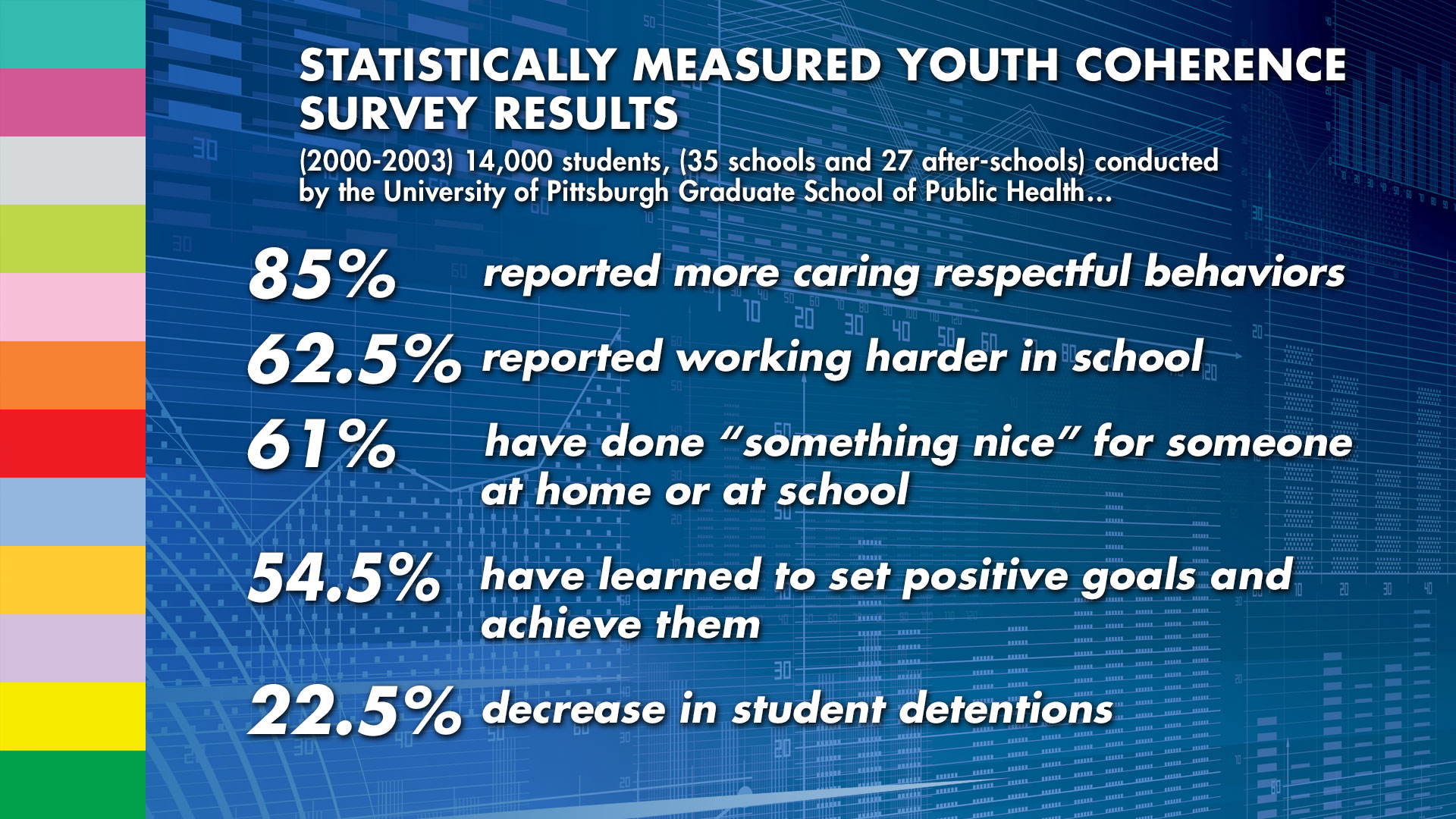
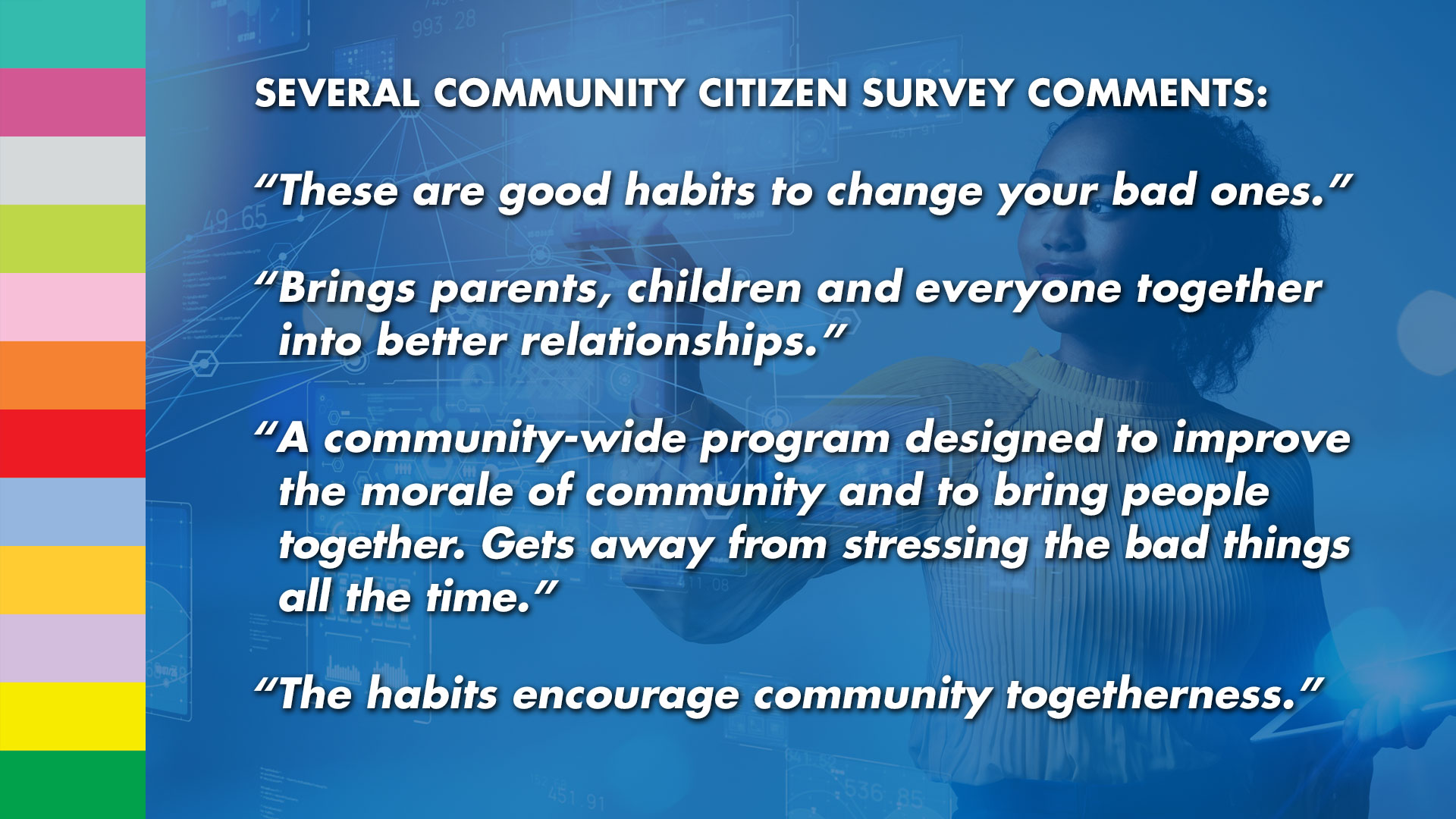
The nine existing independent studies* of the 12 Habits model were devised to circumvent this issue by combining pre and post data collection with on-going “self-reporting” surveys, taken among students and staff. Over all nine studies, the positive changes in pre and post data collection matched the generally positive self-reporting of students and staff.
Yes, there are students who will say they “hate” the peacemaker habits project in the early months. As the positive permission climate begins to take hold of the culture, the transformation begins to grow through affirmations combined with expectations. Being a peacemaker becomes “cooler” than being outside the growing peace culture group.
There are existing templates for the pre-post data collection and for the student, teacher surveys. They can be customized to each school’s protocols and expectations. The measured outcomes begin to improve from the beginning as the culture grows.
Our data shows that in most installations, the 12 Habits of Peacemakers will grow outside the school and into the community where the students reside. Merchants post 12 Habits posters, juvenile probation officers use the themes, home materials are provided and so on.
* Prior independent study hosts include:
1. University of Pennsylvania at Indiana,
2. The London Institute for Social Inventions,
3. Highmark, Blue Cross-Blue Shield,
4. The University of Pittsburgh Graduate School of Public Health,
5. Alfred State University,
6. The Pennsylvania State Board of Education,
7. The Pennsylvania State Department of Health,
8. The WV State Board of Education, and
9. The Board of the Morgan County WV Home School Association.
Partial list of specific research references:
Kaufmann, J.A. PhD (2004) A methodologic evaluation study of the Caring Habit of the Month program: Cognitive, affective and behavioral effects of an anti-violence program in middle school children, Pittsburgh, PA: University of Pittsburgh, Graduate School of Public Health.
Seigle, Janice, E., (2000) – 12 Caring Habits Pre-Post Test Results in Aliquippa Middle School, published in Highmark Quarterly Review Highmark Blue Cross Blue Shield,
Shumer, R. PhD (2003) Evaluation of character education in Pennsylvania, year III. Caring Habit of the Month Adventure: Pittsburgh Public Schools, unpublished report prepared for the Pennsylvania Dept of Education.
Shumer, R. PhD (2003) Evaluation of character education in Pennsylvania, year IV. Caring Habit of the Month Adventure: Pittsburgh Public Schools, unpublished report prepared for the Pennsylvania Dept of Education.
Denk, Barry, PhD. (1993) Pennsylvania Downtown Center, An Assessment of Caring Habits in Communities, Published, Pennsylvania Downtown Centers Annual Report.
Social & Emotional Learning
Socially and emotionally healthy youth exhibit improved self-control and are less likely to engage in harmful behaviors. The monthly system of 12 high visibility aspirational messages that surrounds all staff and students, form a “positive permission” culture.” This culture fosters the release of the healthy potential within everyone.
The monthly “theme-unified” Principles of Peace climate, supports and engenders a sense of connectedness and belonging that nourishes SEL outcomes while strengthening self- worth within everyone.
The 12 Habits for Peacemakers does not replace, but instead, supports and coordinates seamlessly with other SEL school programs that are more staff intensive because they engage personally with students on an issue targeted and individually supportive level. 12 Habits creates the” positive permission school climate culture” where the professional work of counselors and staff can more easily succeed.
School Implementation Plan
Compared to curriculum-based school programs, the 12 Habits of Peacemakers model is generally less costly, both in terms of time and resources because it is more flexible and less time intensive.
That said, this section explains the process of determining what the components of a school installation will consist of; for purposes of budgeting and fund-raising, and then explains how it is implemented and managed throughout the year.
Core Team
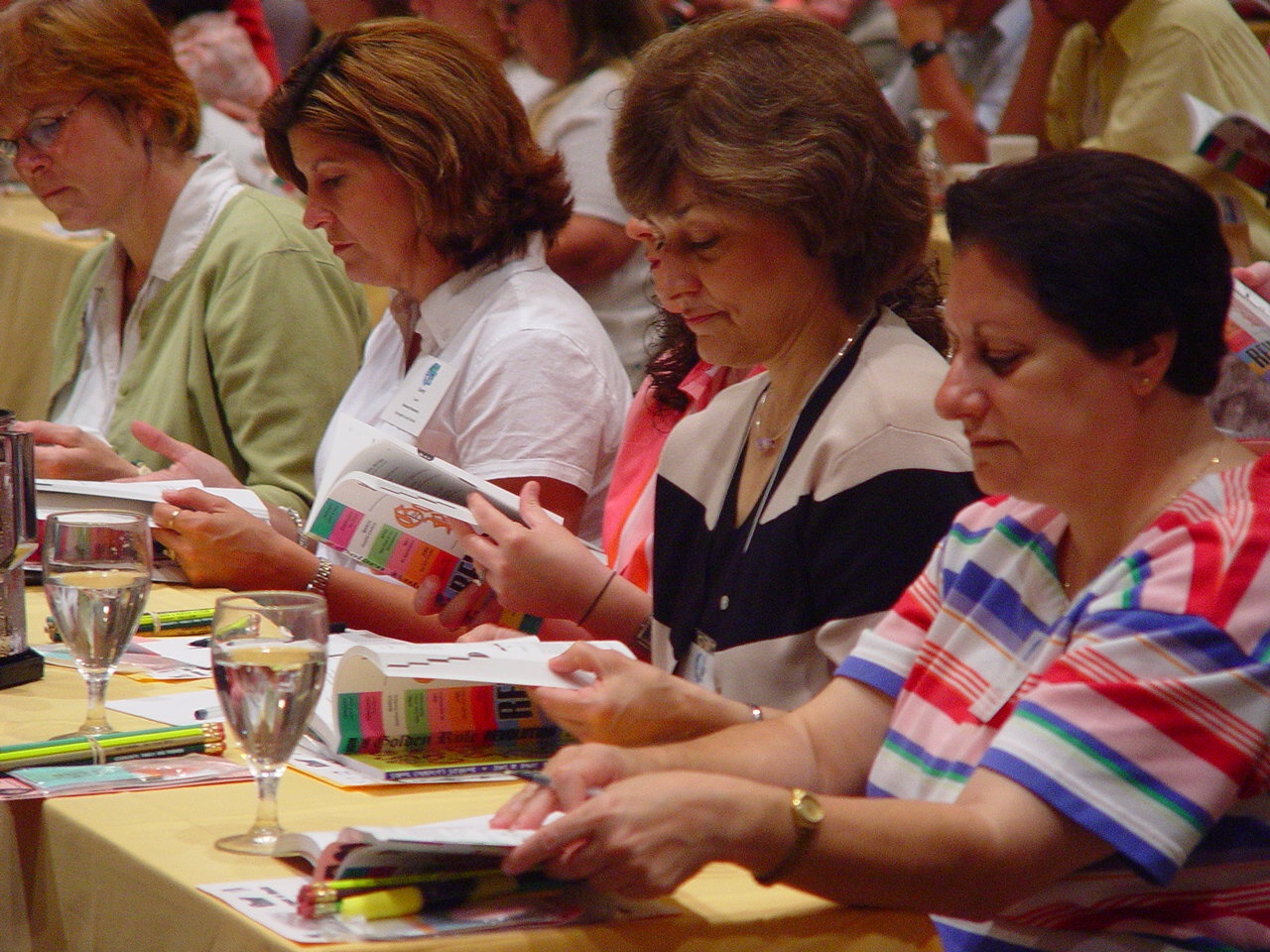
A core team initiates the 12 Habits project, makes decisions, raises funds, and oversees implementation. This team might be composed of representatives of the sponsoring entity such as Rotary, together with leadership from the school or schools involved. For a specific school, this team should include the principal.
To apply for funding, compiling a budget is necessary. In addition to the cost of the multi-media messaging materials it is recommended that each school have its own 5 to 7 member Peacemakers Team. Each team member should receive a monthly stipend for the additional time they spend on this. Students are important additions to the Team. Students, most often, manage the monthly distribution of the 12 Habits materials throughout the school on the first Monday of each month.
Multi-Media Messaging Materials
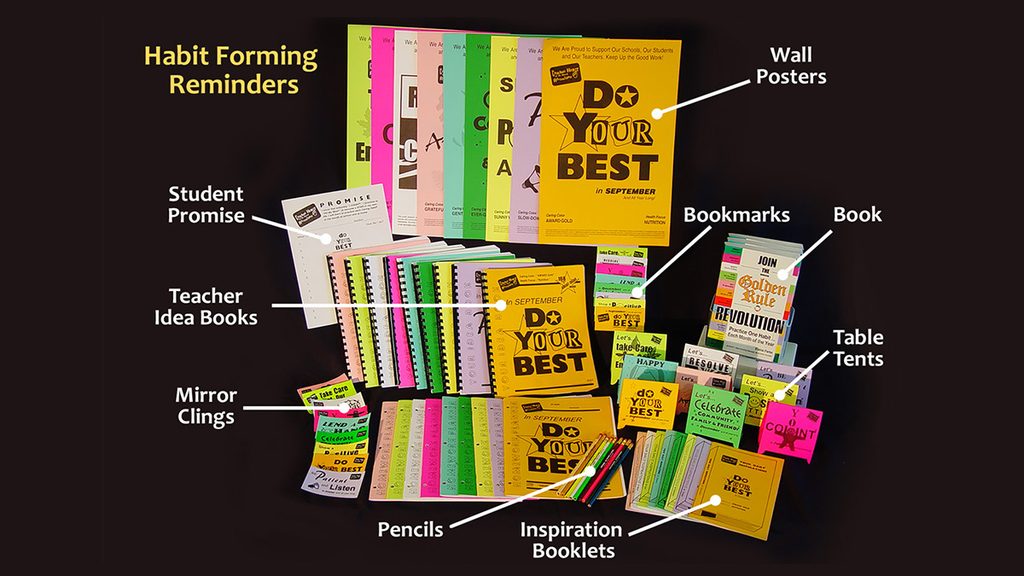
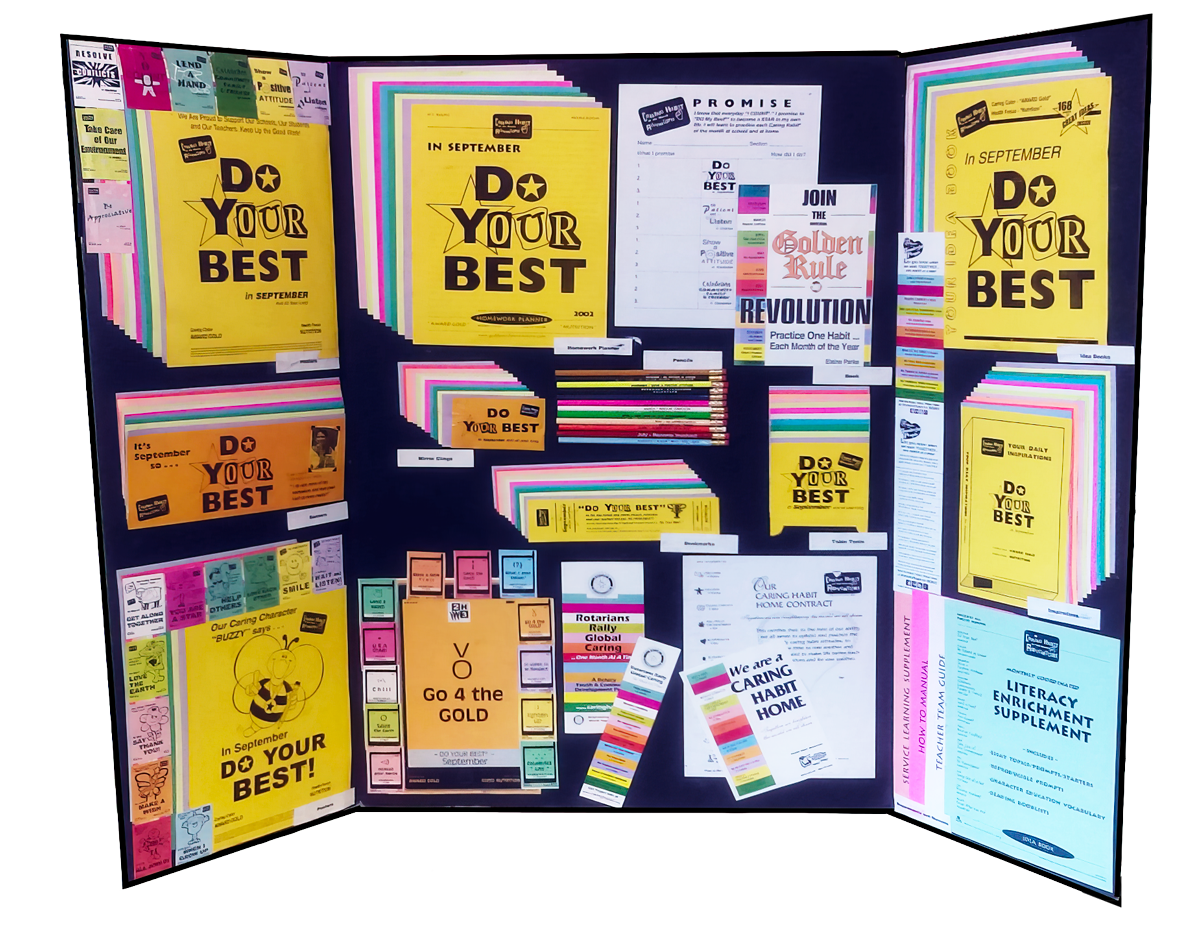
Central to project success are the monthly themed materials that are printed, distributed and then displayed throughout all the physical spaces in a school or other facility. This includes hallways, classrooms, media room, school office, and larger spaces such as the cafeteria, gym and auditorium. It is sort of a “messaging blitz” – high visibility of consistent messages for 30-32 days each month. There are monthly themed print items for each students and teachers and other staff as well.
Materials include, but are not limited to: A Student 12 Habits Goal-Setting PROMISE, large 3’ X 8’ banner for cafeteria, 11×17 Posters, 8-1/2 posters, “Create It Yourself Poster sets, table tents, for media rooms, office, etc, flyers, bookmarks, Teacher IDEA Books, Staff In-Service Guide, TEAM Guide, Literacy Enrichment Supplement, DAILY Inspirational Books for staff, AND the (Rotary) Volunteer Handbook where applicable.
Important non-paper motivational items might include, pencils, rubber bracelets, and any other nominally priced items that could be themed and given to students and staff. Other items include a take home Family PROMISE, “Do it Yourself POSTER SETS, Appreciation Certificates and Excellence awards to use as determined.
There is a 100+ page Teacher IDEA Booklets for each month with theme related reading lists, vocabulary, activities, music and games. This is NOT curriculum, but a source for ideas that the teaching staff can use in their own classrooms to deepen students’ ownership and involvement in the unifying climate being created.
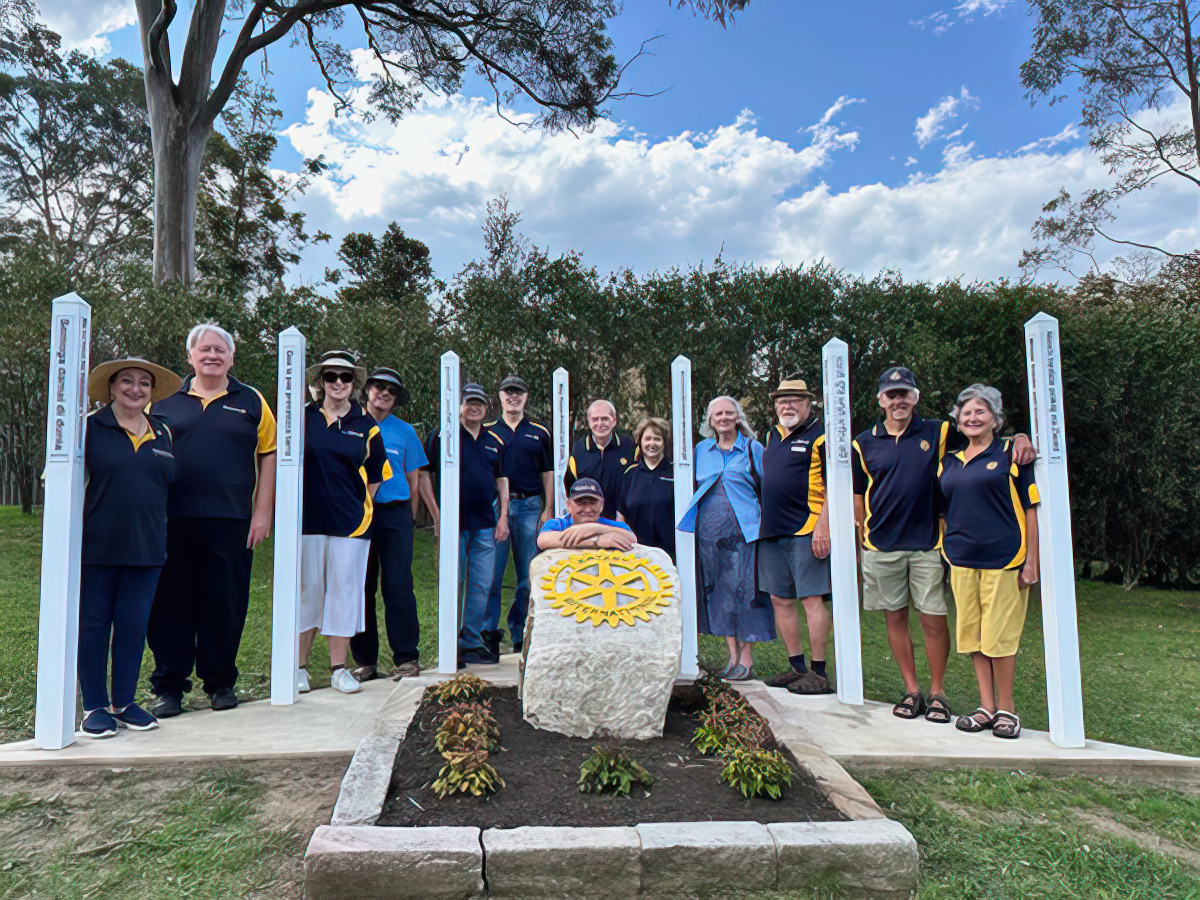
The first Monday of each of the 9 school year months is observed as “Peacemakers Day,” This is when the school officially launches each new month’s peace principle. Many schools launch the entire 12 Habits for Peacemakers program with the planting of a “Peace Pole.” This forms the basis for an opening ceremony to attract press coverage. Peace poles are available to “plant” outside or they can be bought with stands for use inside.
All prepared materials should arrive at schools 7-10 days prior to the start of the next month’s habit observance. Direct deliveries to the school office rather than loading docks so the materials won’t get lost.
This delivery leeway, gives the on-site team a chance to meet and plan as well as time to post and place all the materials in the physical space and also distribute materials to students and staff. As stated, most schools recruit students to post and distribute.
Another point is that this 12 Habits protocol will return each year just like holidays. Laminating, especially the posters, insures, their durability for re-use the following year, thereby reducing the long-term costs. Teachers would often store the laminated materials with their holiday decorations.
Finally, monthly-themed coordinated events strengthen the influence of the messages on short and long-term social and academic change evaluations. On the first Monday of each month, some schools hold a school-wide assembly with a themed, student involved program. On that day, and throughout the month students and staff are encouraged to wear “the color of the month, as clothes or accessories.
Determining the Budget
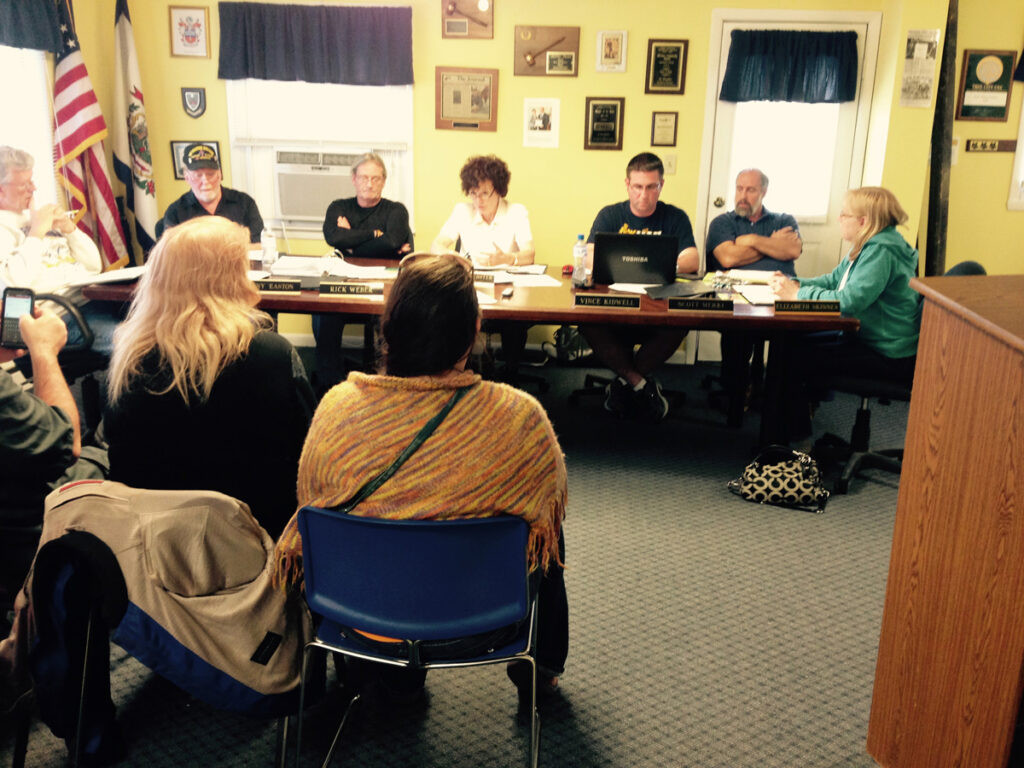
If grant-writing is necessary, the process should begin between 3 to 6 months prior to launch. Launches are most often in September but January also works very well. Building the budget begins with calculating the materials costs on a school-by-school basis. There is a spreadsheet template provided for calculating total materials costs for a school.
First the team determines which audio-visual items they want to use. Then the quantities are determined by number of students, number of classrooms and then by a walk through the school to determine how many posters for each hallway, specialized spaces like media room, cafeteria, auditorium and gym. Using those totals and prices per individual items, a total materials budget is calculated. Placing the large 3’ x 8’ banner in frequently used common areas such the cafeteria, is recommended.
Prior studies show that positive culture changing outcomes are improved, the more committed and active the administration and teaching staff is to the 12 Habits of Peacemakers. It is recommended that the implementation team receive a modest monthly stipend for the extra time they commit to the program’s success. Also, costs of theme coordinated school assemblies, events, special displays and other needs must be determined.
Additionally, it is recommended that the teaching staff each receive the daily motivational book, “The Habits of Unity” for their personal engagement and for use in their classrooms. Most schools have the 12 Habits daily motivational read during the school-wide morning announcements, now most often by video.

Project Preparation
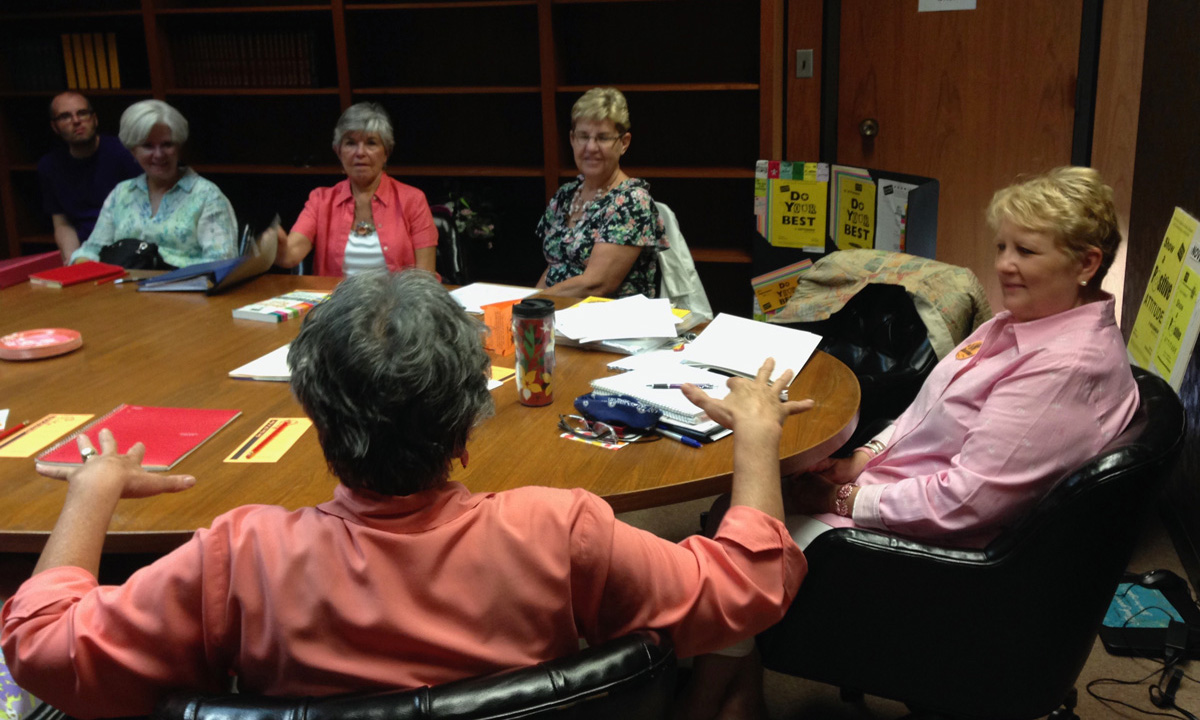
First, the 12 Habits leadership team needs to gather for training and planning. The prepared environment materials supplied, are the minimal exposure elements. In most schools, the team and students are inspired to create and plan special school assemblies, design and create high visibility themed bulletin boards, special events, themed student video projects, student writing of themed radio or morning announcement copy, etc.
Introducing the 12 Habits of Peacemakers to the entire school staff, student, and parents community, is where the persuasive positive momentum begins. Start with press release announcements to local media, social media outreach, inclusion in parent orientation events and in-service training for the teaching staff.
The whole school/community “First Launch Event” is recommended to be the ceremonial planting of an official “PEACE POLE” somewhere on the school property. Peace Poles are also available that can be placed indoors. Official models are available at https://shoppeace.org/peacepoleslands.aspx
Over time, the peace habit themes begin to function like holidays, that serve as focus-points to inspire individual and group creativity. This is where the real student/staff empowerment and influence ultimately thrives and flourishes. As on-site creativity and involvement grows, the sense of self-empowerment grows and the “community” is strengthened by the common bond of shared thematic purpose.